
When shopping for an SUV, bigger often seems better. Larger vehicles promise more passenger space, greater cargo capacity, stronger performance, and additional versatility. However, those advantages come with trade-offs that become particularly noticeable during everyday driving.
The Toyota Corolla Cross challenges the assumption that a larger SUV is automatically the smarter purchase. With its compact exterior dimensions, five-passenger cabin, versatile cargo area, and available hybrid powertrain, it offers much of the functionality people expect from an SUV without requiring as much road or parking space.
Compared with larger models such as the Toyota RAV4 and Toyota Highlander, the Corolla Cross emphasizes manageable dimensions, everyday practicality, and affordability.
For 2026, the U.S.-market Corolla Cross is approximately 4.9 inches shorter than the standard RAV4, while its hybrid version achieves an EPA-estimated 42 mpg combined. Yet the redesigned 2026 RAV4 Hybrid demonstrates that bigger vehicles can sometimes be just as fuel-efficient, or even more efficient, despite their additional size. [1][2][3]
The Toyota Corolla Cross’s biggest advantage over larger SUVs is its smaller vehicle footprint. Its compact dimensions make parking, maneuvering through narrow streets, and navigating crowded urban environments more manageable while retaining five-passenger seating, SUV-style ground clearance, and useful cargo flexibility. A lower starting price makes it especially appealing to buyers who do not regularly need a larger vehicle.
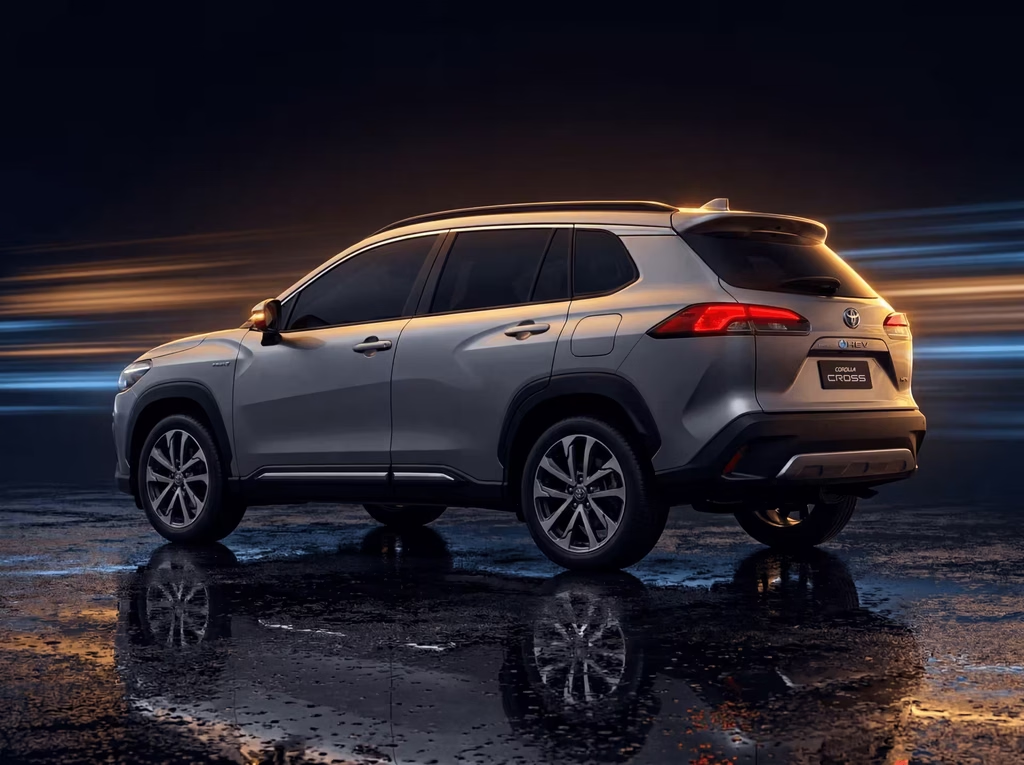
The Toyota Corolla Cross’s Biggest Advantage Is Its Smaller Vehicle Footprint
A vehicle’s footprint is the amount of space it occupies on the road or while parked. For many SUV buyers, exterior dimensions receive less attention than horsepower, touchscreen size, or cargo volume. However, vehicle length and width influence how comfortably an SUV fits into garages, parking spaces, and narrow streets.
The Corolla Cross provides an appealing balance because its compact body still accommodates five passengers and a rear cargo compartment. Its smaller dimensions are particularly useful for drivers who encounter limited parking or restricted maneuvering space.
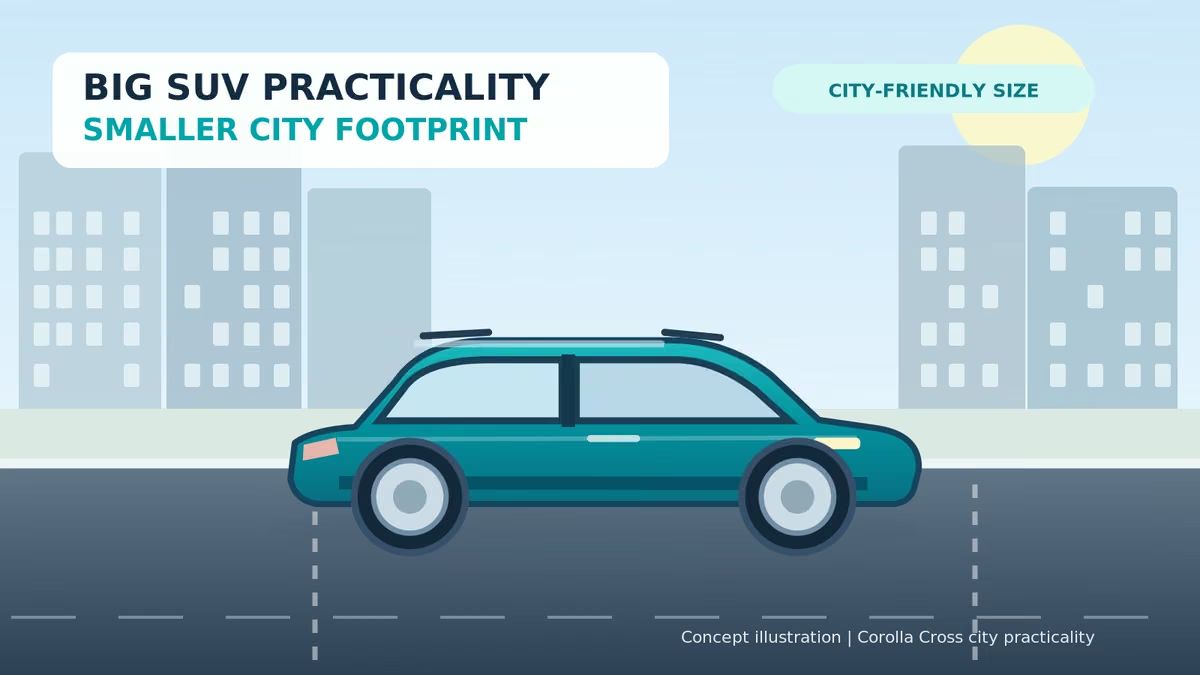
How a Smaller Vehicle Footprint Makes Everyday Driving Easier
The Corolla Cross belongs to the subcompact crossover SUV segment, sitting below the RAV4 in Toyota’s U.S. SUV lineup. Its unibody construction and Toyota New Global Architecture C (TNGA-C) platform support a driving experience closer to a passenger car than a traditional body-on-frame utility vehicle. [5]
In practical terms, its smaller size can provide several everyday advantages:
- Less exterior length to accommodate when parallel parking or reversing.
- Reduced space requirements in residential garages and parking structures.
- Easier positioning on narrow urban streets.
- Less vehicle body to account for when navigating tight intersections.
- SUV-style cargo access without the exterior dimensions of a midsize SUV.
These benefits are especially valuable when a vehicle spends most of its time transporting one or two people rather than regularly carrying five passengers and substantial luggage.
A smaller footprint does not guarantee effortless parking, since visibility, steering geometry, mirrors, and camera equipment also matter. Nevertheless, it gives the Corolla Cross a practical starting advantage in confined spaces.
Vehicle Dimensions: How the Corolla Cross Compares With Larger SUVs
The 2026 Corolla Cross measures 176.1 inches long in gasoline form and 176.8 inches in hybrid form. The standard 2026 RAV4 measures approximately 181 inches long. Both Toyota SUVs have two rows of seating, but the RAV4 uses its larger dimensions to provide additional rear-passenger and cargo space. [2][7][16]
| Measurement | 2026 Corolla Cross Gas | 2026 RAV4 LE Hybrid |
|---|---|---|
| Exterior length | 176.1 in | 181.0 in |
| Exterior width, excluding mirrors | 71.9 in | 73.0 in |
| Exterior height | 64.9 in | 66.7 in |
| Wheelbase | 103.9 in | 105.9 in |
| Turning diameter, approximately | 35.4 ft | 36.9 ft |
| Front legroom | 42.9 in | 41.0 in |
| Rear legroom | 32.0 in | 37.8 in |
| Cargo space behind rear seats | 24.0 cu ft, FWD | 37.8 cu ft |
| Seating capacity | 5 | 5 |
Specifications for representative U.S.-market 2026 configurations. The Corolla Cross Hybrid is approximately 0.7 inch longer than the gasoline model, and cargo dimensions vary by drivetrain, equipment, and model. [2][7][16]
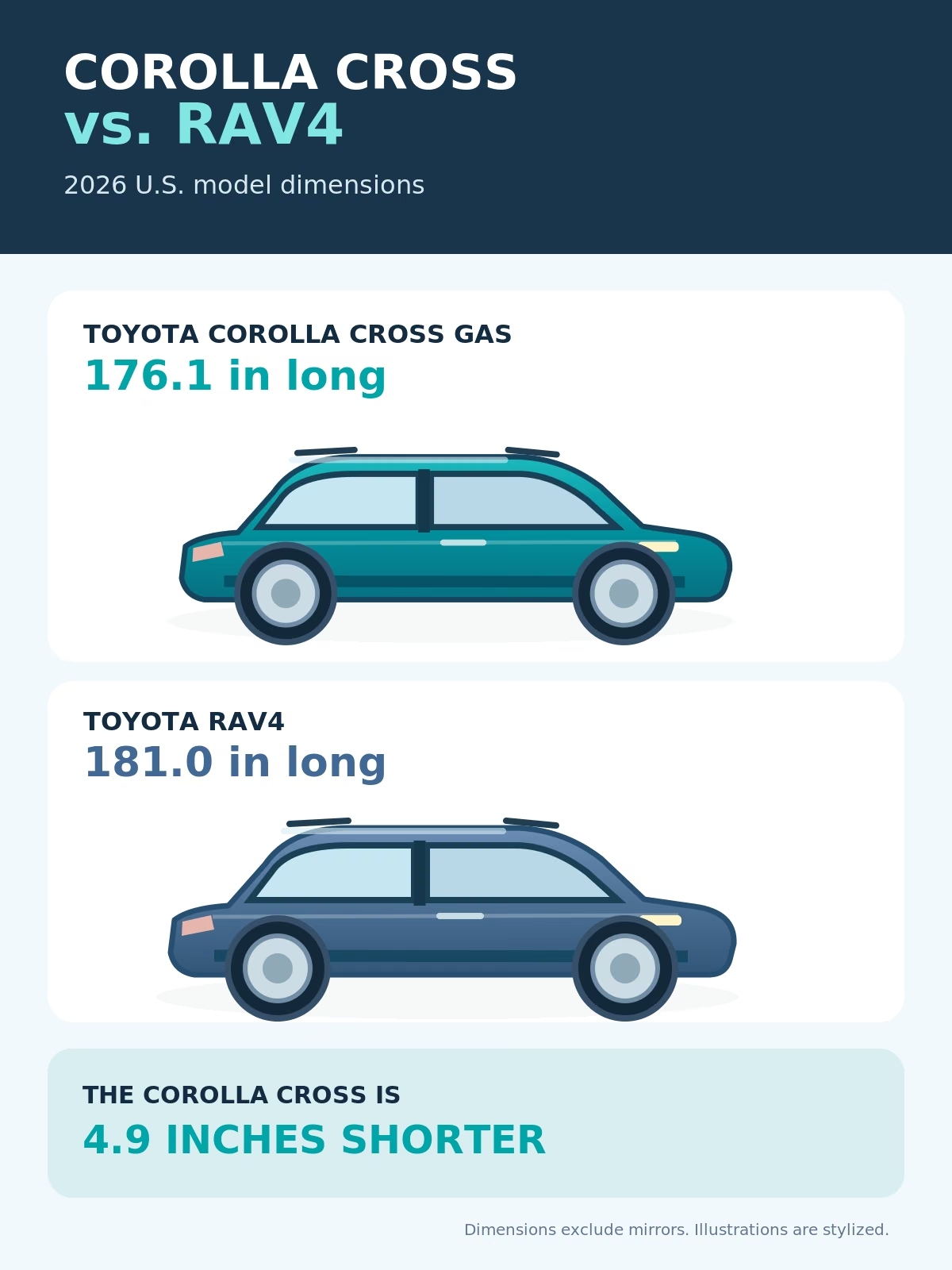
The difference of 4.9 inches in length between the gasoline Corolla Cross and standard RAV4 may seem modest. However, that extra clearance can matter when a garage or parking space has limited room behind the vehicle.
Wheelbase, the distance between the front and rear axles, is another important measurement. A longer wheelbase can provide more room for interior packaging and may influence ride characteristics, although suspension design and body dimensions also play significant roles.
The biggest packaging compromise is evident in rear legroom, where the RAV4 offers 5.8 additional inches. That difference becomes much more important when adults regularly occupy the second row.
Urban Maneuverability and Easy Parking Are Real-World Benefits
Urban maneuverability describes how effectively a vehicle navigates congested roads, tight turns, parking areas, and confined intersections. The Corolla Cross’s relatively short body and compact turning circle make it well suited to these environments.
Its approximately 35.4-foot turning diameter is smaller than the approximately 36.9-foot figure listed for the standard 2026 RAV4. Turning diameter represents the space required to complete a full circular turn, while turning radius is half that measurement. [2][7]
The Corolla Cross also uses electric power steering, which provides power-assisted steering effort without a traditional engine-driven hydraulic steering pump. Steering assistance can make low-speed parking adjustments less physically demanding, although actual steering feel depends on calibration.
Vehicle weight adds another consideration. A 2026 gasoline Corolla Cross FWD weighs approximately 3,086 to 3,142 pounds, depending on grade. AWD and hybrid configurations weigh more. Lower curb weight can reduce the energy required for acceleration, but it does not independently determine maneuverability or fuel consumption. [16]
For frequent city driving, the Corolla Cross’s combination of dimensions, steering assistance, and available parking technology may be more useful than the extra interior volume of a larger SUV.
Fuel Efficiency Gives the Corolla Cross Another Everyday Advantage
Fuel efficiency is an important consideration because operating expenses continue long after a vehicle leaves the dealership. The Corolla Cross offers economical gasoline and hybrid powertrains, making it attractive for commuting and general transportation.
However, comparing SUVs solely by exterior dimensions can produce misleading conclusions. Hybrid technology, aerodynamic design, drivetrain configuration, and powertrain calibration can allow larger vehicles to achieve similar or better fuel economy.
The redesigned 2026 RAV4 illustrates this particularly well. It uses hybrid powertrains throughout its U.S. lineup, and its most efficient regular hybrid configuration slightly exceeds the Corolla Cross Hybrid’s combined EPA rating.
Why Fuel Efficiency Matters When Comparing Small and Large SUVs
Fuel efficiency is commonly expressed in miles per gallon (MPG) in the United States. A higher MPG rating means a vehicle can travel farther using a given quantity of gasoline.
EPA ratings distinguish between city driving, highway driving, and a combined cycle. City estimates reflect lower-speed operating conditions with frequent stopping and acceleration, while highway estimates represent sustained higher-speed driving.
For 2026, the official EPA ratings show meaningful differences between Corolla Cross configurations and the RAV4 Hybrid. [3][4]
| 2026 model | City MPG | Highway MPG | Combined MPG |
|---|---|---|---|
| Corolla Cross Gas FWD | 31 | 33 | 32 |
| Corolla Cross Gas AWD | 29 | 31 | 30 |
| Corolla Cross Hybrid AWD | 46 | 39 | 42 |
| RAV4 Hybrid FWD | 47 | 40 | 43 |
| RAV4 Hybrid LE/SE AWD | 46 | 39 | 42 |
| RAV4 Hybrid Woodland AWD | 41 | 35 | 38 |
EPA fuel economy estimates for U.S.-market 2026 models. Individual RAV4 trims can differ. [3][4]
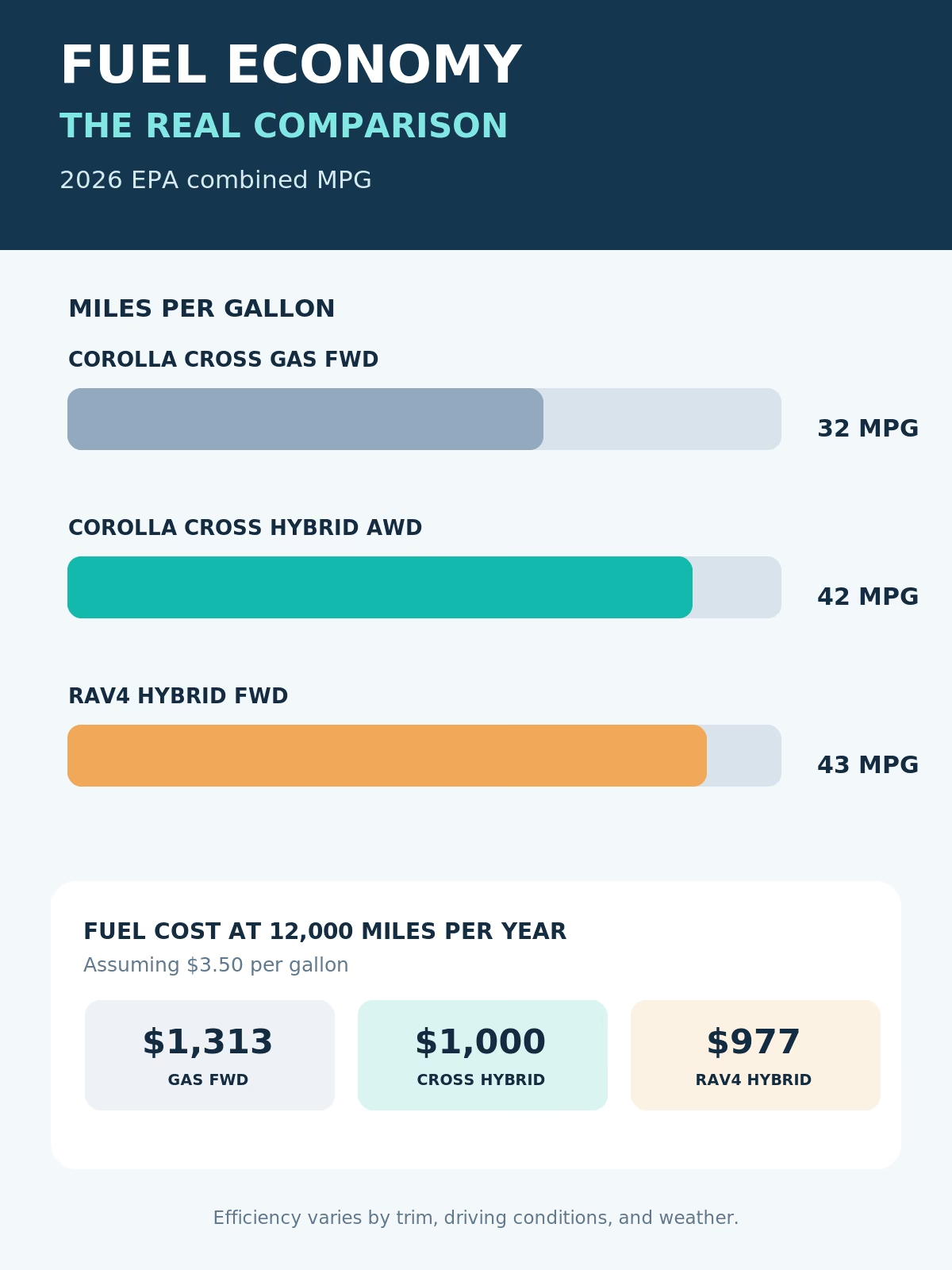
These figures demonstrate an important distinction: the smaller Corolla Cross is not automatically more fuel-efficient than the larger RAV4.
The Corolla Cross Hybrid delivers excellent efficiency, particularly compared with gasoline-only SUVs, but the RAV4 Hybrid FWD earns a slightly higher combined rating.
Real-world consumption can also differ because of driving speed, traffic, weather, terrain, tire pressure, vehicle loading, and maintenance.
Corolla Cross Hybrid: Efficient Transportation With Added Performance
The 2026 Corolla Cross Hybrid combines a 2.0-liter gasoline engine with three electric motors, producing 196 horsepower in total system output. Toyota equips all three U.S. hybrid grades with Electronic On-Demand AWD. [5]
Unlike a fully electric vehicle, the Corolla Cross Hybrid does not require external charging. Its gasoline engine and electrical system work together to propel the vehicle and manage energy consumption.
During low-speed driving, electric motor assistance can reduce gasoline engine use. Under stronger acceleration, the system can combine power sources to improve performance.
Regenerative braking is another important part of hybrid operation. During deceleration, the hybrid system can use electric motors as generators, recovering a portion of the vehicle’s kinetic energy and storing it in the traction battery.
Not all braking energy can be recovered, and conventional friction brakes remain essential. Nevertheless, regenerative braking contributes to hybrid efficiency, especially when driving involves repeated acceleration and deceleration.
The Corolla Cross Hybrid’s EPA-estimated 46 mpg city rating reflects its suitability for these conditions.
How the 2.0-Liter Four-Cylinder Engine Supports the Two Powertrains
Both Corolla Cross powertrains use 2.0-liter four-cylinder gasoline engines, but they operate as parts of different propulsion systems.
The standard gasoline version produces 169 horsepower and uses Toyota’s Direct Shift continuously variable transmission, identified as CVTi-S. Unlike some conventional CVTs, this transmission incorporates a physical launch gear intended to improve initial acceleration response.
The hybrid combines its gasoline engine with electric motors and produces 196 net combined system horsepower. This output is a system-level measurement rather than a simple addition of the individual peak ratings.
Its electronically controlled continuously variable transmission, commonly called an eCVT, operates differently from a conventional belt-driven CVT. Toyota’s hybrid system uses a planetary power-split arrangement to coordinate gasoline-engine and motor-generator operation. [5]
These engineering differences help explain why the hybrid can deliver both higher combined output and substantially better city fuel economy.
How Much Money Could Drivers Save on Fuel?
Fuel savings depend on annual mileage, gasoline prices, and the specific vehicles being compared.
For an illustrative calculation, assume gasoline costs $3.50 per U.S. gallon and that each vehicle achieves its EPA combined MPG rating.
The calculation is:
$$ \text{Annual fuel cost}=\frac{\text{Annual miles driven}}{\text{Combined MPG}}\times\text{Gas price} $$
| Vehicle | 10,000 miles/year | 12,000 miles/year | 15,000 miles/year |
|---|---|---|---|
| Corolla Cross Gas FWD, 32 MPG | $1,094 | $1,313 | $1,641 |
| Corolla Cross Gas AWD, 30 MPG | $1,167 | $1,400 | $1,750 |
| Corolla Cross Hybrid AWD, 42 MPG | $833 | $1,000 | $1,250 |
| RAV4 Hybrid FWD, 43 MPG | $814 | $977 | $1,221 |
Illustrative fuel expenses rounded to the nearest dollar. These are calculations, not forecasts of gasoline prices or actual ownership expenses.
At 12,000 miles annually, the Corolla Cross Hybrid would use approximately 286 gallons, compared with 375 gallons for the gasoline FWD model.
That represents about $313 in annual fuel savings under these assumptions.
Compared with the gasoline AWD version, the hybrid would save approximately $400 annually.
The savings become more significant as mileage rises, but buyers should also consider the hybrid’s higher purchase price and the differences in standard equipment and drivetrain configuration.
A hybrid will not necessarily recover its price premium through gasoline savings alone during a typical ownership period.
The Corolla Cross Can Be a More Affordable SUV to Buy and Own
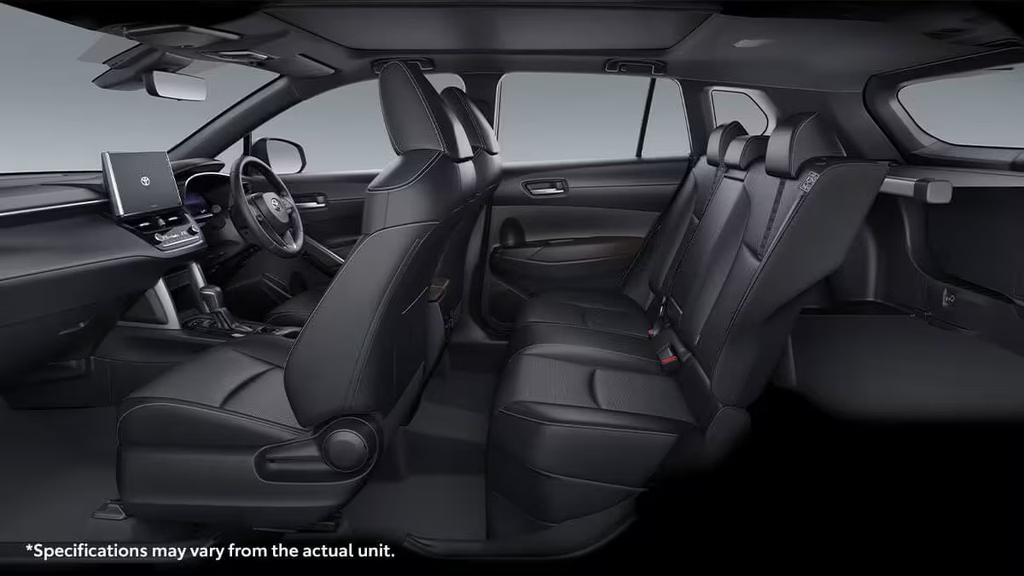
Purchase price is another important advantage for the Corolla Cross. Buyers who do not require extra seating space, towing capacity, or more powerful engines may find that a smaller SUV provides better value for their actual transportation needs.
However, affordability should be assessed across the entire ownership period rather than solely through the manufacturer’s suggested retail price. Financing, taxes, insurance, maintenance, depreciation, and fuel expenses all affect the amount an owner ultimately spends.
Why Its Starting MSRP Appeals to Budget-Conscious Buyers
Toyota’s listed U.S. starting prices for representative 2026 models show a meaningful difference between the Corolla Cross and RAV4. [1][6]
| 2026 Toyota model | Starting MSRP |
|---|---|
| Corolla Cross L Gas FWD | $25,335 |
| Corolla Cross Hybrid S AWD | $29,795 |
| RAV4 LE Hybrid FWD | $31,900 |
These prices indicate a $6,565 difference between the base gasoline Corolla Cross and base RAV4. The Corolla Cross Hybrid S starts $2,105 below the RAV4 LE.
A starting MSRP is the manufacturer’s advertised base vehicle price, not necessarily the transaction price. Delivery charges, optional equipment, dealer fees, sales taxes, and registration costs can increase the final purchase amount.
A lower purchase price may also reduce the required down payment or amount financed.
For example, if the entire $6,565 difference were financed over 60 months at an illustrative 6% annual interest rate, the additional principal would increase the monthly payment by approximately $127. Actual rates and payments depend on creditworthiness, loan terms, and the financing agreement.
Total Cost of Ownership Goes Beyond the Sticker Price
Total cost of ownership (TCO) measures the economic cost of operating and retaining a vehicle over a specified period.
An appropriate five-year comparison should consider depreciation, financing charges, insurance, maintenance, repairs, taxes, fees, and fuel expenses. Depreciation is particularly important because the vehicle’s resale value can recover part of its original purchase cost.
A smaller SUV may cost less initially, but it does not automatically have lower insurance premiums or maintenance expenses.
Edmunds, for example, estimates approximately $35,293 in five-year ownership costs for a 2026 Corolla Cross L FWD under its specified assumptions, which include 15,000 miles of driving annually, financing, and modeled ownership expenses. This is an estimate rather than a guaranteed cost for an individual buyer. [15]
For a transparent comparison of initial expense and fuel alone, the following table uses Toyota’s listed starting MSRPs, 12,000 miles annually, and gasoline at $3.50 per gallon.
| Vehicle | Starting MSRP | Five-year fuel estimate | MSRP + five-year fuel |
|---|---|---|---|
| Corolla Cross Gas FWD | $25,335 | $6,563 | $31,898 |
| Corolla Cross Hybrid AWD | $29,795 | $5,000 | $34,795 |
| RAV4 Hybrid FWD | $31,900 | $4,884 | $36,784 |
This is a limited cash-outlay illustration, not a full TCO estimate. It excludes insurance, taxes, financing, maintenance, repairs, depreciation, and resale value.
The comparison shows that choosing a lower-priced SUV can produce substantial initial savings even when the more expensive model achieves better fuel economy.
It also demonstrates why buyers should avoid evaluating hybrids solely through gasoline savings. Power, AWD availability, equipment, comfort, and anticipated resale value can materially affect the decision.
Can Toyota Reliability Help Preserve Long-Term Value?
Toyota’s reputation for durability can be relevant when choosing a vehicle for long-term ownership, but brand reputation is not a substitute for model-specific reliability evidence.
The Corolla Cross and RAV4 use different powertrains, drivetrains, and component configurations. Their maintenance requirements and repair histories should therefore be evaluated separately.
For a new 2026 vehicle, genuinely long-term dependability data covering many years of ownership is not yet available. Predictions based on related powertrains or earlier model years carry uncertainty.
Buyers should examine applicable warranties, maintenance requirements, recall records, repair-cost estimates, and historical owner-reported problems.
Resale value also depends on mileage, condition, accident history, maintenance documentation, local demand, and the vehicle’s original purchase price.
A well-maintained Corolla Cross may preserve substantial value, but there is no sound basis for assuming that every Corolla Cross trim will depreciate less than every larger SUV.
Everyday Practicality Makes the Corolla Cross More Useful Than Its Size Suggests
Everyday practicality is not determined exclusively by vehicle size. The arrangement of seats, accessibility of the cargo compartment, interior storage, and ease of driving can matter more than maximum dimensions.
The Corolla Cross is designed around typical transportation requirements such as commuting, grocery shopping, school runs, airport trips, and short family vacations.
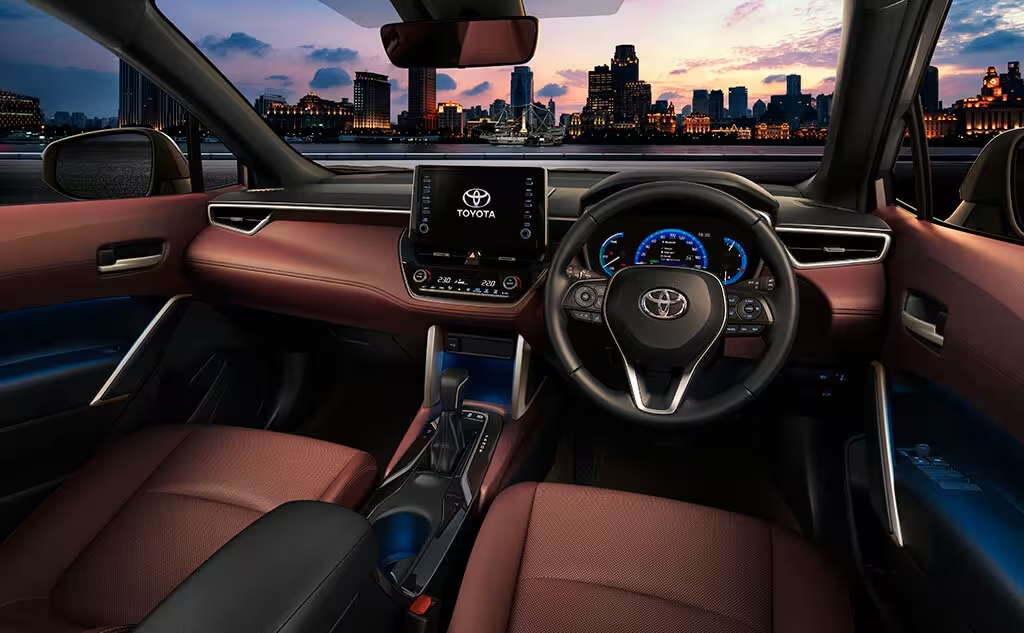
Its five-passenger cabin, elevated seating position, folding rear seats, and rear liftgate provide many of the conveniences associated with larger crossovers.
How the Corolla Cross Balances Size and Everyday Practicality
The Corolla Cross combines a compact exterior with the basic functionality of a two-row SUV. Drivers can transport groceries, luggage, recreational equipment, and everyday supplies without needing a larger vehicle.
Its rear liftgate offers direct access to the cargo compartment, making bulky belongings easier to load than through the relatively restricted opening of a conventional sedan trunk.
Toyota also offers practical features such as roof rails on selected grades, rear-seat ventilation outlets, and an available power liftgate. These features expand convenience without requiring substantial increases in vehicle size. [5]
However, practicality depends on the actual objects and passengers being transported.
An SUV that accommodates daily groceries and occasional luggage may still be unsuitable for regularly carrying five adults and their travel bags.
The Corolla Cross’s strength is providing useful flexibility within a manageable package, not maximizing every possible interior measurement.
Five-Passenger Seating and Interior Comfort
The Corolla Cross offers seating for five occupants across two rows. It can work well for individuals, couples, and smaller families, although comfort depends on passenger height and how frequently the rear seats are occupied.
Its interior measurements reveal an important difference between the Corolla Cross and RAV4.
| Interior measurement | Corolla Cross | RAV4 |
|---|---|---|
| Front legroom | 42.9 in | 41.0 in |
| Rear legroom | 32.0 in | 37.8 in |
| Front shoulder room | 52.7 in | 57.0 in |
| Rear shoulder room | 52.4 in | 56.4 in |
| Approximate passenger volume | 94.9 cu ft | 98.9 cu ft |
Representative 2026 U.S.-market specifications. Passenger-volume figures and headroom can vary with equipment. [2][7][16]
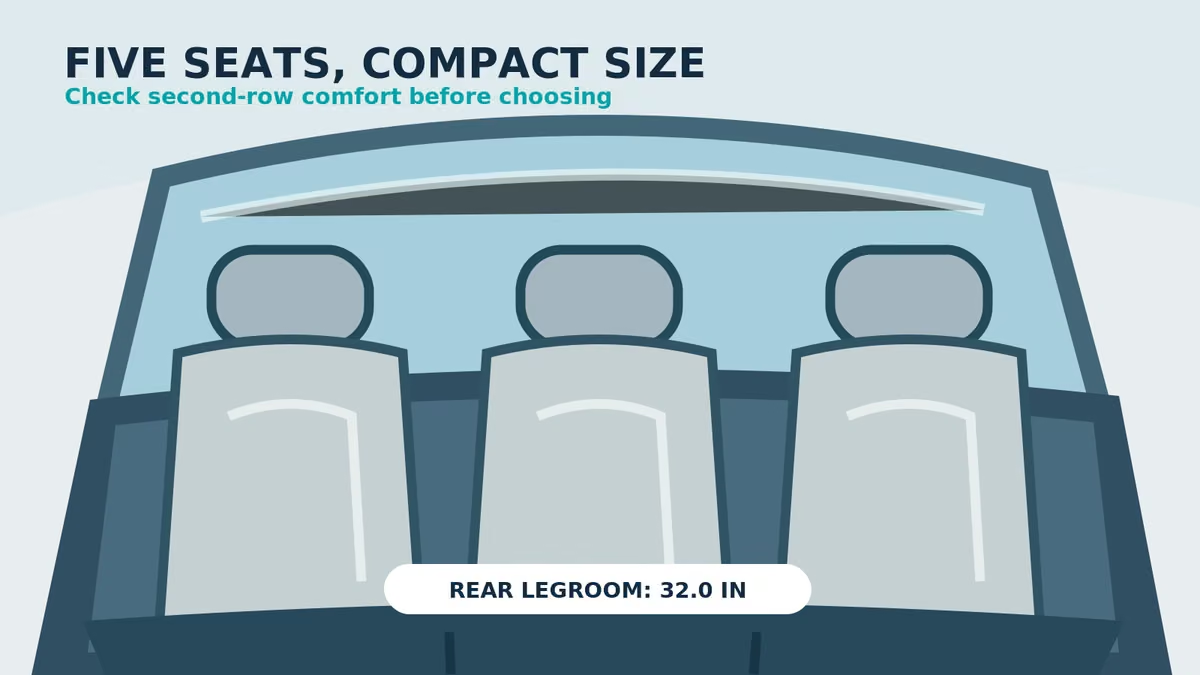
Interestingly, the Corolla Cross provides more published front legroom than the standard RAV4. However, the RAV4 provides substantially more rear legroom and shoulder space.
That makes the Corolla Cross more appealing when the second row is used occasionally, while the RAV4 is generally better suited to regularly transporting adult passengers.
Families using rear-facing child safety seats should test their actual seats before purchasing. A rear-facing seat may require moving the front passenger seat forward, reducing available front-row comfort.
Cargo Capacity and Cargo Versatility for Daily Needs
Cargo capacity describes the usable volume available for carrying belongings. In the Corolla Cross, rear cargo volume depends on the drivetrain configuration.
The 2026 gasoline FWD model provides approximately 24.0 cubic feet behind the rear seats, while gasoline AWD and hybrid AWD models provide approximately 21.5 cubic feet. [16]
For comparison, the standard 2026 RAV4 offers approximately 37.8 cubic feet behind the rear seats and up to 70.4 cubic feet with the second row folded. [2]

The Corolla Cross has standard 60/40 split-folding rear seats, allowing part of the second row to remain available for passengers while the other portion accommodates longer items.
This arrangement is useful for transporting luggage, sports equipment, shopping bags, and other irregularly shaped belongings.
However, published cargo volumes do not tell the entire story. Load-floor dimensions, wheel-arch intrusion, liftgate height, and cargo opening width affect whether specific objects will fit.
Buyers who frequently transport strollers, large pet carriers, or substantial holiday luggage should check those items in person.
Ground Clearance Adds Practical SUV Capability
Ground clearance is the distance between the road surface and the lowest relevant part of a vehicle’s underside.
Toyota lists approximately 8.1 inches of ground clearance for gasoline Corolla Cross models and 8.0 inches for hybrid versions. This provides useful clearance for everyday obstacles such as uneven pavement, driveway ramps, and minor road irregularities. [16]
The elevated body can also reduce concerns about encountering modest road obstacles that may be problematic for some lower-riding passenger cars.
However, ground clearance alone does not make a vehicle suitable for serious off-road driving.
Off-road capability also depends on approach and departure angles, suspension articulation, tires, traction systems, underbody protection, and drivetrain design.
The Corolla Cross is primarily a road-focused crossover. Buyers who frequently encounter deep ruts, difficult trails, or demanding terrain should evaluate more specialized vehicles rather than relying on ground clearance alone.
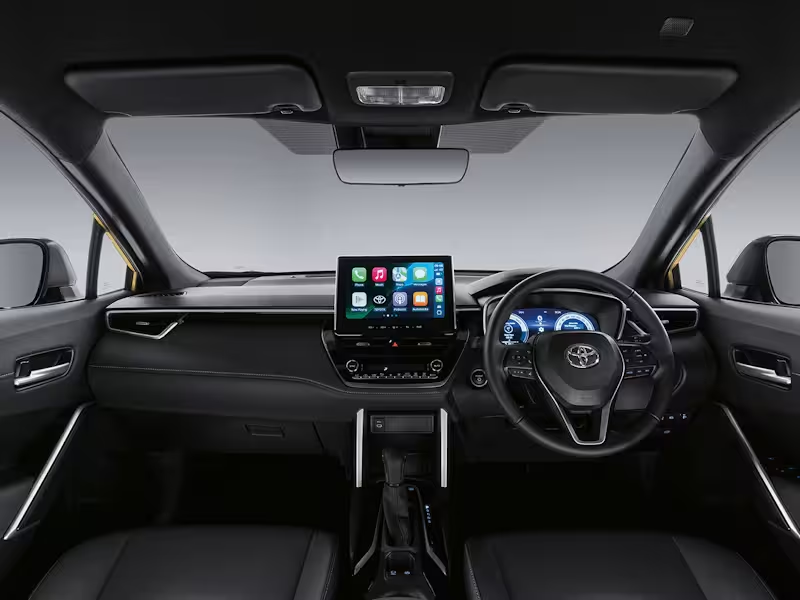
Does the Corolla Cross Deliver the Driving Experience Buyers Need?
The Corolla Cross emphasizes predictable everyday transportation rather than maximum engine performance or aggressive handling.
It provides two distinct driving experiences through its gasoline and hybrid variants. Drivetrain selection also affects traction, efficiency, and purchasing cost.
While a larger SUV may provide stronger acceleration or additional refinement, these benefits do not necessarily improve every journey. For urban driving, commuting, and ordinary highway travel, manageable performance and predictable control may be more valuable than unused power.
Gasoline Powertrain: Simplicity and Everyday Performance
The 2026 gasoline Corolla Cross uses a naturally aspirated 2.0-liter four-cylinder engine producing 169 horsepower. Power reaches the wheels through Toyota’s Direct Shift CVT, with front-wheel drive or all-wheel drive available.
This configuration is intended to provide predictable acceleration for routine driving, including commuting, city traffic, and highway cruising.
The gasoline model has adequate specifications for everyday transportation, but drivers should test its response when merging onto highways, climbing hills, or carrying several passengers with luggage.
Under high acceleration demand, the engine may operate at elevated revolutions as the CVT adjusts its transmission ratio.
The hybrid’s higher combined system output offers another option for buyers seeking stronger acceleration along with improved fuel economy.
Neither version should be evaluated by horsepower figures alone. Throttle response, power delivery, vehicle loading, and personal expectations also influence the driving experience.
Front-Wheel Drive vs. All-Wheel Drive
Front-wheel drive sends propulsion to the front wheels. It is common in road-focused passenger vehicles and generally provides sufficient traction for ordinary paved-road conditions when paired with appropriate tires.
All-wheel drive can distribute propulsion between front and rear axles, improving the ability to accelerate when available tire grip varies.
For the 2026 Corolla Cross, Toyota offers both FWD and AWD on gasoline grades, while all hybrid grades come with AWD as standard equipment. [5]
The EPA estimates also show a fuel-economy difference between gasoline drivetrains:
- Gasoline FWD: 32 mpg combined.
- Gasoline AWD: 30 mpg combined.
- Hybrid AWD: 42 mpg combined.
AWD may be useful in rain, snow, and other low-traction situations, but it does not automatically shorten braking distances or increase cornering grip.
Tire condition, tread design, road surface, and driver behavior remain critical. AWD should never be considered a substitute for suitable tires and cautious driving.
Electronic On-Demand AWD on the Corolla Cross Hybrid
The Corolla Cross Hybrid uses Toyota’s Electronic On-Demand AWD system, which differs mechanically from the Dynamic Torque Control AWD system used in gasoline models.
Gasoline AWD versions transfer propulsion to the rear axle through a mechanical drivetrain arrangement. The hybrid instead uses an electric motor to provide rear-wheel propulsion when required.
This approach allows the hybrid system to coordinate rear-wheel assistance electronically according to driving conditions.
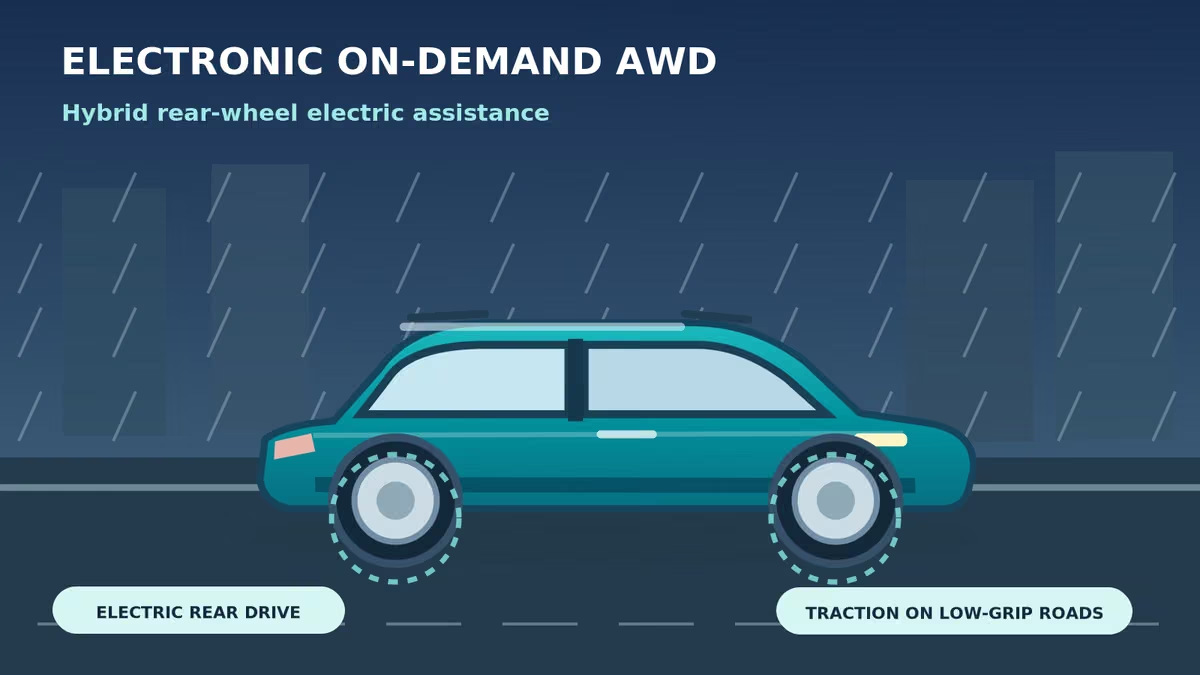
The rear electric drive can help when accelerating on slippery surfaces or when additional traction is needed. It also avoids the need for a conventional mechanical driveshaft connecting the gasoline engine to the rear axle.
However, Electronic On-Demand AWD is designed primarily for improved traction during ordinary driving rather than demanding off-road use.
Its performance still depends on available tire grip, battery and system operating conditions, and the traction-control strategy.
Elevated Driving Position and Ride Comfort
One of the Corolla Cross’s appealing characteristics is its elevated seating position.
Compared with a conventional sedan, the crossover’s seating arrangement can provide a higher viewpoint over surrounding traffic. Some drivers also prefer the associated cabin access and seating posture.
However, a higher seating position does not guarantee better visibility in every direction. Windshield pillars, mirrors, rear glass dimensions, and surrounding vehicles still create potential blind spots.
Ride comfort depends on suspension tuning, tire construction, wheel size, road quality, and cabin noise insulation.
The Corolla Cross’s compact dimensions make it relatively convenient for everyday driving, but a larger SUV may provide more room to adjust seating positions and greater separation between passengers and luggage.
For long-distance use, buyers should assess tire noise, wind noise, seat support, suspension response, and comfort on rough pavement during an extended test drive.
Toyota Safety Sense 3.0 and Driver Assistance
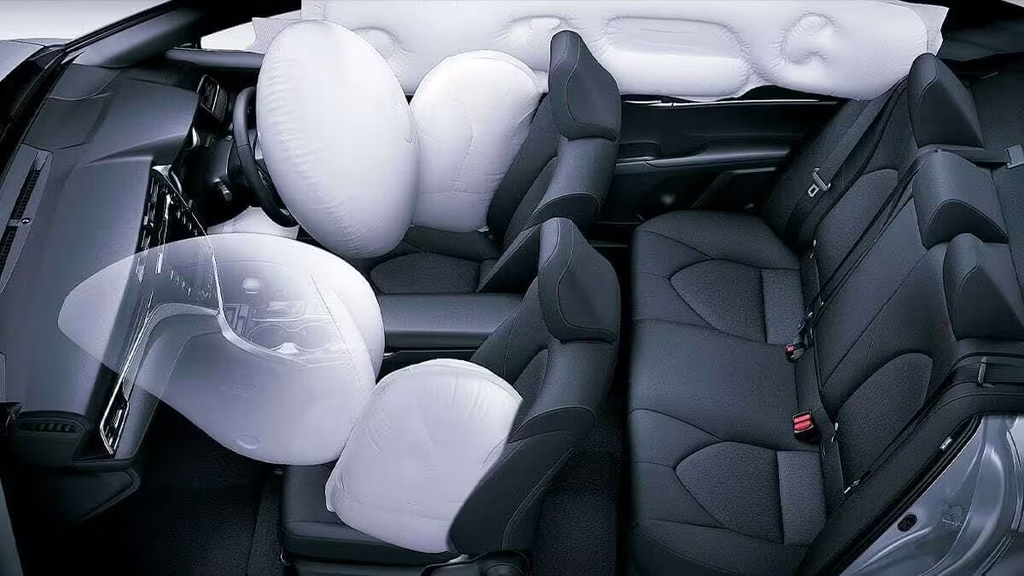
All U.S.-market 2026 Corolla Cross grades include Toyota Safety Sense 3.0, a suite of active safety and driver-assistance technologies. [5]
Its features include a Pre-Collision System with Pedestrian Detection, Full-Speed Range Dynamic Radar Cruise Control, Lane Departure Alert with Steering Assist, Lane Tracing Assist, Automatic High Beams, Road Sign Assist, and Proactive Driving Assist.
The Pre-Collision System can warn the driver of certain potential collisions and apply automatic emergency braking when system conditions are satisfied.
Adaptive cruise control can assist with maintaining a selected following distance, while lane-related features provide assistance under specified driving conditions.
These systems cannot replace driver awareness or guarantee that collisions will be prevented.
Independent crash testing provides additional information. The Insurance Institute for Highway Safety lists the 2026 Corolla Cross as a TOP SAFETY PICK, with Good ratings in small-overlap front and updated side-impact evaluations, and an Acceptable rating in its updated moderate-overlap front evaluation. [8]
The redesigned 2026 RAV4 also receives Good ratings in several major crashworthiness categories, including the updated side-impact test, while receiving an Acceptable rating in the updated moderate-overlap test. [9]
Crash-test results, restraint systems, crash avoidance, and vehicle design should all be considered rather than assuming that a physically larger SUV is necessarily safer.
Toyota Corolla Cross vs. RAV4: Which SUV Makes More Sense?
The Corolla Cross and RAV4 are particularly useful vehicles to compare because both provide two-row seating and crossover practicality, yet they occupy different positions in Toyota’s lineup.
The Corolla Cross focuses on compact size and accessible pricing, while the RAV4 provides more cabin space, cargo capacity, and power.
The 2026 RAV4’s hybrid-only U.S. lineup also changes the traditional fuel-economy comparison. Buyers no longer have to choose a smaller Toyota simply to access excellent hybrid efficiency.
Toyota RAV4 Comparison: Compact Dimensions vs. Extra Utility
The RAV4’s principal advantages are greater interior space and additional capability. The Corolla Cross counters with a smaller exterior footprint and lower base purchase price.
| Comparison factor | 2026 Corolla Cross | 2026 RAV4 |
|---|---|---|
| Vehicle segment | Subcompact crossover | Compact crossover |
| Seating | 5 | 5 |
| Approximate length | 176.1 to 176.8 in | From 181.0 in |
| Rear legroom | 32.0 in | 37.8 in |
| Cargo behind rear seats | 21.5 to 24.0 cu ft | Typically 37.8 cu ft |
| Gasoline-only option | Yes | No |
| Hybrid powertrain | Available | Standard |
| Best combined MPG | 42 | 43 |
| Starting MSRP | $25,335 | $31,900 |
| Maximum rated towing | 1,500 lb | Up to 3,500 lb on eligible grades |
U.S.-market 2026 specifications. RAV4 towing capacity varies significantly by grade and drivetrain. Plug-in hybrid configurations have additional differences. [1][2][3][4][6][17]
The RAV4 offers a substantial improvement in rear legroom and cargo space without being dramatically longer.
It also provides higher hybrid system output. The regular 2026 RAV4 Hybrid produces 226 net combined horsepower with FWD and 236 horsepower with AWD, compared with 196 horsepower in the Corolla Cross Hybrid. [17]
Consequently, the RAV4 is not simply a larger Corolla Cross. It is a more capable alternative for buyers who can use its additional power, space, or towing capacity.
Which Toyota SUV Is Better for City Driving?
For drivers who regularly park on crowded streets, navigate narrow intersections, or use compact residential garages, the Corolla Cross has a meaningful advantage.
Its shorter body requires less longitudinal parking space, while its relatively compact turning circle can help with tight maneuvers.
The RAV4 remains a manageable compact crossover, however. The difference between the two models is not so large that the Corolla Cross will always be easier to park in every situation.
Driver visibility, parking cameras, sensors, and familiarity with the vehicle can outweigh modest dimensional differences.
A practical comparison should involve measuring the available garage or parking space, including enough room for door opening and liftgate operation.
For an urban commuter who rarely uses the second row, the Corolla Cross is often the more space-efficient choice.
When Is the RAV4 Worth Paying More For?
The RAV4 becomes more compelling when additional space is regularly used rather than occasionally appreciated.
Its approximately 5.8 inches of extra rear legroom can make longer journeys more comfortable for adults and may simplify the installation of some child safety seats.
The additional cargo area is useful for families carrying strollers, large luggage, sports equipment, or equipment for outdoor activities.
Its stronger hybrid powertrain can also be valuable when accelerating with several passengers and substantial cargo.
Towing capability provides another distinction. Eligible 2026 RAV4 AWD grades are rated to tow up to 3,500 pounds, compared with the Corolla Cross’s 1,500-pound maximum. [17]
The RAV4 Hybrid’s fuel economy is also competitive, reducing the efficiency penalty that buyers might otherwise expect from choosing a larger vehicle.
For people who frequently use these capabilities, the price premium can be justified by practical utility rather than appearance or perceived status.
How Does the Corolla Cross Compare With Other Toyota Vehicles and Small SUV Rivals?
The Corolla Cross occupies a competitive position between conventional compact sedans and larger family SUVs.
Its main competitors offer different combinations of affordability, passenger space, fuel economy, traction, and cargo capacity.
Some provide more rear legroom, others deliver stronger outdoor capability, and some cost less initially. Evaluating these alternatives helps establish whether the Corolla Cross’s combination of efficiency and compact dimensions is actually the best fit.
Toyota Highlander vs. Corolla Cross
The Highlander targets a different transportation requirement from the Corolla Cross.
The U.S.-market 2026 Highlander offers three rows of seating for seven or, in selected configurations, eight occupants. The Corolla Cross has only two rows and seats a maximum of five people.
The Highlander also offers significantly greater cargo flexibility when its rear seats are folded, making it better suited to larger families and more substantial loads. [13]
However, these advantages come with increased exterior dimensions, purchase cost, and parking requirements.
Toyota lists a starting MSRP of $46,270 for the 2026 Highlander, considerably above the Corolla Cross.
The Highlander becomes worthwhile when extra passenger capacity is frequently required. Buyers who rarely transport more than four or five people may find its additional size unnecessary.
Toyota Corolla Sedan vs. Corolla Cross
The Toyota Corolla sedan represents another sensible alternative for buyers whose primary requirements are commuting and everyday transportation.
The 2026 Corolla sedan starts at approximately $23,125 in the U.S. market, below the Corolla Cross. Toyota also offers a Corolla Hybrid with fuel economy of up to an estimated 50 mpg combined, depending on configuration. [14]
The sedan’s lower body and conventional trunk are suitable for routine travel, while its generally lower purchase price can appeal to cost-conscious buyers.
The Corolla Cross provides the advantage of a rear liftgate, taller cargo opening, elevated driving position, and additional ground clearance.
The choice therefore depends on the type of cargo being transported and whether crossover characteristics are genuinely useful.
Buyers who rarely carry bulky belongings may find the Corolla sedan more economical and entirely sufficient.
Honda HR-V vs. Toyota Corolla Cross
The Honda HR-V directly competes with the Corolla Cross in the small-SUV segment.
The U.S.-market 2026 HR-V starts at approximately $26,500 and offers available Real Time AWD. Its gasoline engine is rated at 158 horsepower, while the FWD model achieves an EPA-estimated 28 mpg combined. [10]
An important advantage for the HR-V is rear-seat space. Honda lists approximately 37.7 inches of rear legroom, compared with 32.0 inches in the Corolla Cross.
That makes the HR-V particularly interesting for buyers who frequently carry rear-seat passengers.
The Corolla Cross offers an efficient hybrid option that significantly outperforms the gasoline HR-V’s combined fuel-economy rating.
Between these vehicles, rear-seat comfort and hybrid efficiency may be more decisive than exterior dimensions alone.
Subaru Crosstrek vs. Toyota Corolla Cross
The Subaru Crosstrek emphasizes standard all-wheel drive and outdoor-oriented utility.
For 2026, Subaru lists a starting price of approximately $26,995 for the gasoline Crosstrek Base, with Symmetrical AWD as standard equipment. Its 2.5-liter boxer engine produces 180 horsepower. [11]
Standard models offer approximately 8.7 inches of ground clearance, while the Wilderness version increases clearance to approximately 9.3 inches and incorporates additional trail-focused equipment.
The Corolla Cross emphasizes road-focused practicality and hybrid efficiency.
Subaru also offers a Crosstrek Hybrid, rated at 36 mpg combined, but the Corolla Cross Hybrid achieves a higher 42 mpg combined estimate.
The Crosstrek is worth considering for buyers who prioritize standard AWD, ground clearance, and outdoor-oriented features rather than maximum fuel efficiency.
Chevrolet Trax vs. Toyota Corolla Cross
The Chevrolet Trax provides a lower-cost entry point into the crossover market.
Chevrolet lists the 2026 Trax at a starting MSRP of approximately $21,700 and an EPA-estimated 30 mpg combined. Its turbocharged 1.2-liter three-cylinder gasoline engine produces 137 horsepower. [12]
The Trax also offers a practical rear cargo area, with approximately 25.6 cubic feet of space behind the rear seats.
However, Chevrolet offers the 2026 Trax exclusively with front-wheel drive. AWD is not available, and the model is not rated for trailer towing.
The Corolla Cross provides more drivetrain choices, an available hybrid powertrain, and a rated towing capability of up to 1,500 pounds.
The Trax may appeal to buyers prioritizing initial affordability, while the Corolla Cross offers a broader range of propulsion and traction configurations.
2026 Small SUV Comparison
| Model | Starting MSRP | Base combined MPG | Rear cargo volume | AWD |
|---|---|---|---|---|
| Toyota Corolla Cross Gas | $25,335 | 32 | 24.0 cu ft, FWD | Available |
| Honda HR-V | $26,500 | 28 | 24.4 cu ft | Available |
| Subaru Crosstrek Gas | $26,995 | Approx. 29 | 19.9 cu ft | Standard |
| Chevrolet Trax | $21,700 | 30 | 25.6 cu ft | No |
Representative 2026 U.S. base gasoline configurations. Prices exclude applicable destination charges and other purchasing costs. Higher trims and alternative drivetrains may differ. [1][10][11][12]
The comparison illustrates why the Corolla Cross should not be evaluated solely on price.
The Trax is less expensive, the HR-V provides more rear legroom, and the Crosstrek includes AWD as standard.
The Corolla Cross distinguishes itself through its combination of compact packaging, available hybrid efficiency, drivetrain choices, and everyday SUV practicality.
Where Larger SUVs Still Have Important Advantages
The Corolla Cross’s smaller size is beneficial only when its capacity matches the owner’s needs.
Larger SUVs offer meaningful improvements in several categories, particularly passenger accommodation, cargo flexibility, towing, and available power.
It would be misleading to suggest that compact crossovers provide identical utility to larger models. Instead, the strongest purchasing decision comes from understanding which capabilities are necessary and which would remain mostly unused.
More Space for Large Families and Frequent Passengers
Larger SUVs commonly provide greater second-row legroom, shoulder room, and overall passenger volume.
For the Corolla Cross, rear-seat dimensions are an important limitation. Its 32 inches of rear legroom may be restrictive for taller adults, especially when the front seats are positioned far back.
A RAV4 offers substantially more rear legroom, while a Highlander introduces a third row for additional passengers.
Families with multiple child safety seats should also examine rear-seat width, seat-belt positioning, child-restraint anchor access, and the ability of front passengers to maintain comfortable seating positions.
Published passenger capacity alone cannot establish that three child seats will fit safely across a bench.
When rear seats are occupied frequently, a larger vehicle’s additional room can provide a practical benefit on every journey.
More Cargo and Towing Capability
The Corolla Cross provides useful everyday cargo capacity, but larger SUVs accommodate substantially greater loads.
A standard 2026 RAV4 offers significantly more luggage room behind its second row, making it better suited to families traveling with multiple suitcases or bulky equipment.
Towing is another important distinction.
Toyota rates the Corolla Cross for up to 1,500 pounds of towing when properly equipped. Eligible RAV4 AWD models can tow up to 3,500 pounds, depending on the configuration. [1][17]
However, the maximum towing rating is only one consideration. Trailer tongue weight, vehicle payload, passengers, cargo, and the specific equipment installed can reduce the load that can be safely transported.
Buyers who regularly tow trailers should consult the manufacturer’s applicable towing instructions and verify their complete loaded configuration.
More Performance and Highway Refinement
Larger SUVs may offer more powerful engines, greater acceleration reserves, additional noise insulation, and more substantial suspension systems.
For example, the 2026 RAV4 Hybrid’s 226- or 236-horsepower combined output exceeds the Corolla Cross Hybrid’s 196 horsepower.
This additional power may be particularly useful when accelerating onto highways or climbing hills with several passengers and luggage.
However, engine output alone does not determine ride quality.
Highway refinement depends on suspension design, wheel and tire selection, seating, structural rigidity, aerodynamic noise, and sound insulation.
A larger vehicle is not automatically smoother or quieter than a smaller one.
Drivers who spend substantial time on highways should compare cabin noise, seat support, acceleration response, and ride stability through extended test drives rather than choosing based on vehicle size alone.
The Right SUV Depends on How It Will Be Used
The most useful SUV is the one that meets its owner’s actual transportation requirements with acceptable compromises.
A city commuter may value parking convenience, manageable dimensions, and affordability. A family traveling with children and substantial luggage may place greater importance on rear-seat space and cargo volume.
Likewise, someone who frequently transports equipment or tows trailers will have different requirements from a driver who mainly travels alone.
A useful buying decision should consider regular passenger count, typical cargo loads, parking conditions, annual mileage, road quality, expected ownership duration, and available budget.
The Corolla Cross is compelling when its compact dimensions solve practical problems without creating unacceptable limitations.
Larger SUVs become more appropriate when their additional capabilities provide regular, measurable value.
Who Should Buy the Toyota Corolla Cross Instead of a Larger SUV?
The Corolla Cross is best suited to drivers who want crossover versatility without the purchase cost or exterior dimensions of a larger vehicle.
Its principal appeal is not maximizing passenger space, cargo volume, or engine power. Instead, it combines manageable dimensions with sufficient capability for many common transportation requirements.
The strongest candidates are drivers who spend considerable time in urban environments, households with modest passenger requirements, and buyers seeking practical transportation at a relatively accessible price.
Best for Urban Commuters
Drivers who frequently encounter crowded streets, tight garages, and limited parking are likely to appreciate the Corolla Cross’s compact dimensions.
Its shorter exterior length and relatively small turning circle can simplify routine maneuvers compared with larger SUVs.
The elevated seating position and accessible rear cargo area provide additional crossover benefits without requiring substantial increases in exterior size.
The hybrid is particularly attractive for commuters whose routes involve frequent stopping and acceleration because its EPA city rating reaches 46 mpg.
However, short journeys, traffic conditions, and driving habits still influence actual consumption.
For someone who regularly travels alone or with one passenger, the Corolla Cross can provide an efficient balance between practicality and physical size.
Best for First-Time SUV Owners
The Corolla Cross can be a suitable transition for drivers moving from compact sedans or hatchbacks into an SUV.
Its manageable exterior dimensions reduce the size difference compared with many larger crossovers, while the higher seating position and rear liftgate introduce familiar SUV characteristics.
New SUV owners may find that the vehicle provides enough cargo flexibility for weekend travel and everyday shopping without requiring them to manage a substantially larger vehicle.
Gasoline and hybrid versions also provide different purchasing options, allowing buyers to choose according to budget, mileage, and drivetrain requirements.
A first-time buyer should still compare insurance premiums, expected maintenance expenses, and available driver-assistance features before choosing a particular trim.
Best for Budget-Conscious Individuals and Small Families
The Corolla Cross is attractive to buyers who want to control purchase expenses without giving up everyday SUV functionality.
Its starting MSRP is substantially lower than that of the 2026 RAV4, while the gasoline FWD model still provides five seats and a useful cargo area.
For households that rarely travel with five adults, the Corolla Cross’s interior may be sufficient.
The hybrid version adds greater fuel efficiency and standard AWD, although buyers should evaluate its price premium against expected fuel savings and preferred equipment.
Budget-conscious shoppers should compare the final out-the-door price of equivalent vehicles rather than relying entirely on base MSRPs.
Insurance quotes, financing offers, and projected resale value can change which vehicle is most economical over time.
When to Choose a Larger SUV Instead
A larger SUV becomes the better option when the Corolla Cross’s space or performance limitations would affect routine use.
Buyers who frequently carry tall adults in the second row may prefer the RAV4’s additional legroom.
Households that regularly transport more than five occupants need a vehicle with additional seating capacity, such as an appropriately configured Highlander.
Drivers carrying substantial luggage, large equipment, or trailers should consider a vehicle with greater cargo and towing capability.
More powerful engines and additional cabin refinement may also be worthwhile for frequent long-distance journeys.
The deciding factor is how often these capabilities are needed. Paying more for space and performance can be justified when those advantages improve regular transportation rather than serving only occasional scenarios.
Frequently Asked Questions About the Toyota Corolla Cross
The following questions address the principal issues buyers encounter when comparing the Corolla Cross with larger SUVs.
Because equipment, pricing, and fuel-economy ratings vary by model year and market, the answers refer to U.S.-market 2026 configurations unless otherwise noted. Buyers should verify the exact specification of any vehicle they are considering, particularly when comparing gasoline, hybrid, FWD, and AWD versions.
What Is the Toyota Corolla Cross’s Biggest Advantage Over Larger SUVs?
The Corolla Cross’s biggest advantage is its smaller exterior footprint combined with practical SUV functionality.
Compared with the standard 2026 RAV4, the gasoline Corolla Cross is approximately 4.9 inches shorter and 1.1 inches narrower, excluding mirrors.
These differences may make it easier to accommodate in tight parking spaces and restricted residential environments.
At the same time, the Corolla Cross retains five-passenger seating, a rear liftgate, folding second-row seats, and useful ground clearance.
Its primary benefit is therefore convenience and space efficiency rather than simply being less expensive or more fuel-efficient.
Is the Toyota Corolla Cross Cheaper Than the Toyota RAV4?
Yes. The U.S.-market 2026 Corolla Cross has a lower starting MSRP than the 2026 RAV4.
Toyota lists the gasoline Corolla Cross L at $25,335, the Corolla Cross Hybrid S at $29,795, and the RAV4 Hybrid LE at $31,900. [1][6]
That creates a starting price difference of $6,565 between the base gasoline Corolla Cross and the RAV4.
However, buyers should compare similar equipment levels and drivetrain capabilities.
The Corolla Cross gasoline model is not a direct powertrain equivalent to the hybrid-only 2026 RAV4. Delivery charges, dealer pricing, optional equipment, and local taxes also affect the final transaction price.
Is the Corolla Cross Hybrid More Fuel-Efficient Than a Larger SUV?
Not necessarily. Fuel efficiency depends on the specific vehicles and powertrain configurations being compared.
The 2026 Corolla Cross Hybrid earns an EPA-estimated 42 mpg combined.
The larger 2026 RAV4 Hybrid FWD achieves 43 mpg combined, while RAV4 Hybrid LE and SE AWD versions earn 42 mpg combined. [3][4]
This demonstrates that a larger hybrid SUV can match or slightly exceed the Corolla Cross Hybrid’s efficiency.
However, the Corolla Cross Hybrid is considerably more efficient than many gasoline-only SUVs.
Buyers should compare official combined ratings for the actual configurations they are considering rather than assuming that smaller dimensions always mean lower fuel consumption.
Is the Toyota Corolla Cross Spacious Enough for a Family of Five?
The Corolla Cross provides five seating positions, but whether it is comfortable for five occupants depends on their size, age, and travel requirements.
Its 32 inches of rear legroom can be restrictive for taller adults, especially during long trips.
Children and smaller passengers may find the available space more suitable, although child safety seats introduce additional fit requirements.
Rear-facing child seats can also reduce the space available to front occupants.
A family of five should physically test its seating arrangements before purchasing.
The RAV4 offers substantially more second-row space and is generally the more accommodating option when all five seats are used regularly.
Does the Toyota Corolla Cross Come With AWD?
Yes. The U.S.-market 2026 Corolla Cross offers AWD on all three gasoline grades, while AWD is standard across the hybrid lineup. [5]
Gasoline models use Toyota’s Dynamic Torque Control AWD system, whereas hybrid models use Electronic On-Demand AWD with electrically powered rear-wheel assistance.
Both systems can improve traction under certain driving conditions.
However, AWD does not guarantee better braking performance and cannot compensate for inappropriate tires or unsafe driving.
Buyers should consider local weather, road conditions, fuel-economy differences, and purchase cost before deciding whether AWD is necessary.
Is the Toyota Corolla Cross Good for Long Road Trips?
The Corolla Cross can be suitable for long road trips, particularly when transporting one or two occupants with moderate luggage.
Its hybrid powertrain offers strong fuel economy, while folding rear seats provide flexibility when additional cargo space is required.

However, the limited rear legroom may be less comfortable for taller passengers over extended journeys.
Cargo space may also become restrictive when five occupants travel with several large suitcases.
Cabin noise, seating support, and suspension comfort should be evaluated during a longer test drive.
The RAV4 becomes more appealing when road trips routinely involve several passengers, considerable luggage, or a desire for stronger acceleration.
Is the Toyota Corolla Cross Reliable for Long-Term Ownership?
The Corolla Cross benefits from Toyota’s established experience with gasoline engines, hybrid systems, and compact passenger vehicles, but that does not guarantee trouble-free ownership.
Long-term reliability depends on the specific engine, transmission, electrical systems, maintenance history, driving conditions, and individual vehicle.
Because the 2026 model is relatively new, there is insufficient long-term ownership history to establish how every configuration will perform over many years.
Prospective buyers should examine manufacturer warranties, applicable recalls, maintenance requirements, and independent reliability information from earlier related models.
Regular servicing and proper maintenance remain important regardless of the vehicle manufacturer’s reputation.
Should I Buy the Corolla Cross or a Larger SUV?
Choose the Corolla Cross if compact dimensions, lower starting price, manageable parking, and everyday cargo flexibility are your main priorities.
It is particularly appealing when rear-seat passengers are carried infrequently and substantial cargo capacity is unnecessary.
Choose a larger SUV such as the RAV4 when additional rear legroom, cargo space, stronger acceleration, or greater towing capability will be used regularly.
The Highlander becomes more appropriate when three-row seating is required.
The best decision should follow a comparison of specific trims, actual passenger and cargo requirements, ownership expenses, and test-drive impressions.
Conclusion: The Toyota Corolla Cross Proves That Bigger Isn’t Always Better
The Toyota Corolla Cross demonstrates why the most practical SUV is not always the largest one.
Its most meaningful advantage over larger SUVs is a smaller, more manageable exterior footprint that can make parking, maneuvering, and everyday urban driving easier.
It retains useful crossover characteristics, including five-passenger seating, an elevated driving position, a versatile rear cargo area, and practical ground clearance.
For 2026, its available hybrid powertrain also delivers excellent fuel economy, while its lower starting price makes it attractive to buyers who want to avoid paying for more vehicle than they need.
However, the redesigned Toyota RAV4 presents a compelling alternative. It offers noticeably more passenger and cargo space, greater available power, and hybrid efficiency that can match or exceed that of the Corolla Cross.
The deciding question is not which SUV is bigger. It is which SUV provides the right amount of space, performance, efficiency, and capability for the journeys its owner actually makes.
For buyers whose priorities center on daily commuting, urban convenience, and accessible pricing, the Corolla Cross deserves serious consideration.
Before purchasing, compare specific trim levels, test rear-seat comfort, check cargo requirements, and drive both the Corolla Cross and a larger alternative under conditions similar to everyday use.
Sources
The specifications and comparisons in this article are based primarily on Toyota’s published U.S. vehicle information, U.S. government fuel-economy data, independent crash testing, and manufacturer specifications.
[1] Toyota: 2026 Corolla Cross Overview, Pricing, and Features
[2] Edmunds: 2026 Toyota RAV4 Specifications and Dimensions
[3] U.S. Department of Energy and EPA: 2026 Corolla Cross Fuel Economy
[4] U.S. Department of Energy and EPA: 2026 RAV4 Fuel Economy
[5] Toyota USA Newsroom: 2026 Corolla Cross Technical and Feature Information
[6] Toyota: 2026 RAV4 Pricing and Fuel-Economy Specifications
[7] Edmunds: 2026 Corolla Cross Trim Specifications and Dimensions
[8] Insurance Institute for Highway Safety: 2026 Corolla Cross Crash-Test Ratings
[9] Insurance Institute for Highway Safety: 2026 RAV4 Crash-Test Ratings
[10] Honda: 2026 HR-V Specifications and Features
[11] Subaru: 2026 Crosstrek Models, Features, and Pricing
[12] Chevrolet: 2026 Trax Features, Specifications, and Pricing
[13] Toyota USA Newsroom: 2026 Highlander Specifications
[14] Toyota: 2026 Corolla Sedan Features and Fuel Economy
[15] Edmunds: 2026 Corolla Cross Five-Year True Cost to Own Estimates
[16] Peoria Toyota: 2026 Corolla Cross Dimensions, Interior Space, and Cargo Capacity
[17] Toyota USA Newsroom: 2026 RAV4 Powertrains, Capability, and Specifications
Research and specifications reviewed November 13, 2026. Manufacturer prices and equipment can change. Fuel-cost examples are illustrative calculations, and actual fuel economy and ownership expenses will vary.